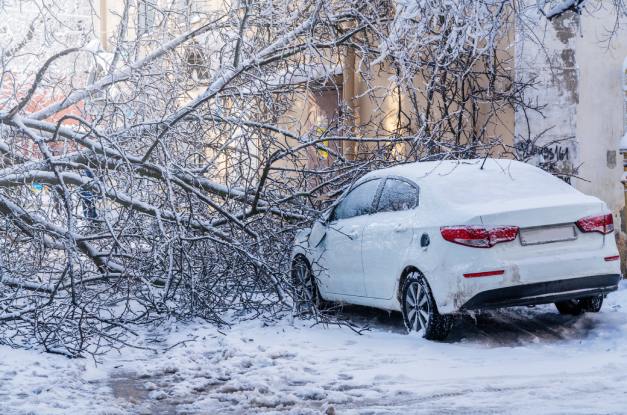
Winter landscapes might look beautiful from the comfort of your living room window, but we all know they transform the roads into an entirely different beast. Plummeting temperatures, black ice, and sudden snow squalls create hazardous conditions that test even the most experienced drivers.
While we all hope to arrive at our destinations without incident, the reality is that breakdowns and accidents spike during the colder months. At any age, everyone must understand how to handle car emergencies in the winter. By properly equipping your vehicle, you can navigate the season with confidence.
Build a Winter Survival Kit
The best way to handle an emergency is to prepare for it before you even turn the key. If you slide into a ditch or your engine dies, you might have to wait hours for a tow truck.
Pack a dedicated bin for your trunk containing these essentials:
- Warmth: Heavy blankets, spare gloves, hats, and hand warmers.
- Visibility: A flashlight with extra batteries, road flares, or reflective triangles.
- Tools: A small shovel, an ice scraper, and jumper cables.
- Sustenance: Non-perishable snacks like energy bars and bottled water (keep in the cabin so it doesn’t freeze solid in the trunk).
What to Do If You Are Stranded
If your car breaks down or you get stuck in a snowbank, your immediate actions are critical. First, assess your location. If you are on a busy highway, stay inside the vehicle with your seatbelt on, as other drivers may lose control in the same spot.
Make yourself visible. Turn on your hazard lights immediately. If you have a piece of bright fabric or a safety vest, tie it to your antenna or hang it out the window (rolled up enough to hold it). This signals to passing police or tow trucks that you are in distress.
Manage your heat carefully. You can run the engine to stay warm, but do so sparingly. Run the car for about 10 minutes every hour to conserve fuel. Before you start the engine, you must ensure the exhaust pipe is clear of snow. A blocked tailpipe can force deadly carbon monoxide gas back into the cabin.
Handling Mechanical Issues
Cold weather is hard on machinery. The two most common winter culprits are dead batteries and tire issues.
Tire Trouble
For every 10-degree drop in temperature, tires can lose 1 PSI of pressure. Underinflated tires have poor traction and are more prone to blowouts. Keeping a portable tire pump in your car can help you get out of this situation, along with other essential items for tire emergencies.
Dead Batteries
Chemical reactions inside batteries slow down in freezing temperatures, reducing their power. If your car sounds sluggish when starting, get the battery tested. Always carry jumper cables or a portable jump starter pack. If you are stranded with a dead battery, you lose your heat source, making your winter kit blankets vital.
Stay Warm and Drive Smart
Winter driving demands emergency preparations. It requires patience, slower speeds, and a hyper-awareness of your surroundings. But even the safest drivers can fall victim to severe weather or mechanical failure. But now, you’re prepared for these problems. Stay warm, stay alert, and respect the road conditions.

- Senior Outlook Today
- Senior Outlook Today
- Senior Outlook Today
- Senior Outlook Today
- Senior Outlook Today
- Senior Outlook Today
- Senior Outlook Today
- Senior Outlook Today
- Senior Outlook Today
- Senior Outlook Today
- Senior Outlook Today
- Senior Outlook Today
- Senior Outlook Today
- Senior Outlook Today
- Senior Outlook Today
- Senior Outlook Today
- Senior Outlook Today
- Senior Outlook Today
- Senior Outlook Today
- Senior Outlook Today
- Senior Outlook Today
- Senior Outlook Today
- Senior Outlook Today
- Senior Outlook Today
- Senior Outlook Today
- Senior Outlook Today
- Senior Outlook Today
- Senior Outlook Today
- Senior Outlook Today
- Senior Outlook Today
- Senior Outlook Today
- Senior Outlook Today
- Senior Outlook Today
- Senior Outlook Today
- Senior Outlook Today
- Senior Outlook Today
- Senior Outlook Today
- Senior Outlook Today
- Senior Outlook Today
- Senior Outlook Today
- Senior Outlook Today
- Senior Outlook Today
- Senior Outlook Today
- Senior Outlook Today
- Senior Outlook Today
- Senior Outlook Today
- Senior Outlook Today
- Senior Outlook Today
- Senior Outlook Today
- Senior Outlook Today
- Senior Outlook Today
- Senior Outlook Today
- Senior Outlook Today
- Senior Outlook Today
- Senior Outlook Today
- Senior Outlook Today
- Senior Outlook Today
- Senior Outlook Today
- Senior Outlook Today
- Senior Outlook Today
- Senior Outlook Today
- Senior Outlook Today
- Senior Outlook Today
- Senior Outlook Today
- Senior Outlook Today
- Senior Outlook Today
- Senior Outlook Today
- Senior Outlook Today
- Senior Outlook Today
- Senior Outlook Today
- Senior Outlook Today
- Senior Outlook Today
- Senior Outlook Today
- Senior Outlook Today
- Senior Outlook Today
- Senior Outlook Today
- Senior Outlook Today
- Senior Outlook Today
- Senior Outlook Today
- Senior Outlook Today
- Senior Outlook Today
- Senior Outlook Today
- Senior Outlook Today
- Senior Outlook Today
- Senior Outlook Today
- Senior Outlook Today
- Senior Outlook Today
- Senior Outlook Today
- Senior Outlook Today
- Senior Outlook Today
- Senior Outlook Today
- Senior Outlook Today
- Senior Outlook Today
- Senior Outlook Today
- Senior Outlook Today
- Senior Outlook Today
- Senior Outlook Today
- Senior Outlook Today
- Senior Outlook Today
- Senior Outlook Today
- Senior Outlook Today
- Senior Outlook Today
- Senior Outlook Today
- Senior Outlook Today
- Senior Outlook Today
- Senior Outlook Today
- Senior Outlook Today
- Senior Outlook Today
- Senior Outlook Today
- Senior Outlook Today
- Senior Outlook Today
- Senior Outlook Today
- Senior Outlook Today
- Senior Outlook Today
- Senior Outlook Today
- Senior Outlook Today
- Senior Outlook Today
- Senior Outlook Today
- Senior Outlook Today
- Senior Outlook Today
- Senior Outlook Today
- Senior Outlook Today
- Senior Outlook Today
- Senior Outlook Today
- Senior Outlook Today
- Senior Outlook Today
- Senior Outlook Today
- Senior Outlook Today
- Senior Outlook Today
- Senior Outlook Today
- Senior Outlook Today
- Senior Outlook Today
- Senior Outlook Today
- Senior Outlook Today
- Senior Outlook Today
- Senior Outlook Today
- Senior Outlook Today
- Senior Outlook Today
- Senior Outlook Today
- Senior Outlook Today
- Senior Outlook Today
- Senior Outlook Today
- Senior Outlook Today
- Senior Outlook Today
- Senior Outlook Today
- Senior Outlook Today
- Senior Outlook Today
- Senior Outlook Today
- Senior Outlook Today
- Senior Outlook Today
- Senior Outlook Today
- Senior Outlook Today
- Senior Outlook Today
- Senior Outlook Today
- Senior Outlook Today
- Senior Outlook Today
- Senior Outlook Today
- Senior Outlook Today
- Senior Outlook Today
- Senior Outlook Today
- Senior Outlook Today
- Senior Outlook Today
- Senior Outlook Today
- Senior Outlook Today
- Senior Outlook Today
- Senior Outlook Today
- Senior Outlook Today
- Senior Outlook Today
- Senior Outlook Today
- Senior Outlook Today
- Senior Outlook Today
- Senior Outlook Today
- Senior Outlook Today
- Senior Outlook Today
- Senior Outlook Today
- Senior Outlook Today
- Senior Outlook Today
- Senior Outlook Today
- Senior Outlook Today
- Senior Outlook Today
- Senior Outlook Today
- Senior Outlook Today
- Senior Outlook Today
- Senior Outlook Today
- Senior Outlook Today
- Senior Outlook Today
- Senior Outlook Today
- Senior Outlook Today
- Senior Outlook Today
- Senior Outlook Today
- Senior Outlook Today
- Senior Outlook Today
- Senior Outlook Today
- Senior Outlook Today
- Senior Outlook Today
- Senior Outlook Today
- Senior Outlook Today
- Senior Outlook Today
- Senior Outlook Today
- Senior Outlook Today
- Senior Outlook Today
- Senior Outlook Today
- Senior Outlook Today
- Senior Outlook Today
- Senior Outlook Today
- Senior Outlook Today
- Senior Outlook Today
- Senior Outlook Today
- Senior Outlook Today
- Senior Outlook Today
- Senior Outlook Today
- Senior Outlook Today
- Senior Outlook Today
- Senior Outlook Today
- Senior Outlook Today
- Senior Outlook Today
- Senior Outlook Today
- Senior Outlook Today
- Senior Outlook Today
- Senior Outlook Today
- Senior Outlook Today
- Senior Outlook Today
- Senior Outlook Today
- Senior Outlook Today
- Senior Outlook Today
- Senior Outlook Today
- Senior Outlook Today
- Senior Outlook Today
- Senior Outlook Today
- Senior Outlook Today
- Senior Outlook Today
- Senior Outlook Today
- Senior Outlook Today
- Senior Outlook Today
- Senior Outlook Today
- Senior Outlook Today
- Senior Outlook Today
- Senior Outlook Today
- Senior Outlook Today
- Senior Outlook Today
- Senior Outlook Today
- Senior Outlook Today
- Senior Outlook Today
- Senior Outlook Today
- Senior Outlook Today
- Senior Outlook Today
- Senior Outlook Today
- Senior Outlook Today
- Senior Outlook Today
- Senior Outlook Today
- Senior Outlook Today
- Senior Outlook Today
- Senior Outlook Today
- Senior Outlook Today
- Senior Outlook Today
- Senior Outlook Today
- Senior Outlook Today
- Senior Outlook Today
- Senior Outlook Today
- Senior Outlook Today
- Senior Outlook Today
- Senior Outlook Today
- Senior Outlook Today
- Senior Outlook Today
- Senior Outlook Today
- Senior Outlook Today
- Senior Outlook Today
- Senior Outlook Today
- Senior Outlook Today
- Senior Outlook Today
- Senior Outlook Today
- Senior Outlook Today
- Senior Outlook Today
- Senior Outlook Today
- Senior Outlook Today
- Senior Outlook Today
- Senior Outlook Today
- Senior Outlook Today
- Senior Outlook Today
- Senior Outlook Today
- Senior Outlook Today
- Senior Outlook Today
- Senior Outlook Today
- Senior Outlook Today
- Senior Outlook Today
- Senior Outlook Today
- Senior Outlook Today
- Senior Outlook Today
- Senior Outlook Today
- Senior Outlook Today
- Senior Outlook Today
- Senior Outlook Today
- Senior Outlook Today
- Senior Outlook Today
- Senior Outlook Today
- Senior Outlook Today
- Senior Outlook Today
- Senior Outlook Today
- Senior Outlook Today
- Senior Outlook Today
- Senior Outlook Today
- Senior Outlook Today
- Senior Outlook Today
- Senior Outlook Today
- Senior Outlook Today
- Senior Outlook Today
- Senior Outlook Today
- Senior Outlook Today
- Senior Outlook Today
- Senior Outlook Today
- Senior Outlook Today
- Senior Outlook Today
- Senior Outlook Today
- Senior Outlook Today
- Senior Outlook Today
- Senior Outlook Today
- Senior Outlook Today
- Senior Outlook Today
- Senior Outlook Today
- Senior Outlook Today
- Senior Outlook Today
- Senior Outlook Today
- Senior Outlook Today
- Senior Outlook Today
- Senior Outlook Today
- Senior Outlook Today
- Senior Outlook Today
- Senior Outlook Today
- Senior Outlook Today
- Senior Outlook Today
- Senior Outlook Today
- Senior Outlook Today
- Senior Outlook Today
- Senior Outlook Today
- Senior Outlook Today
- Senior Outlook Today
- Senior Outlook Today
- Senior Outlook Today
- Senior Outlook Today
- Senior Outlook Today
- Senior Outlook Today
- Senior Outlook Today
- Senior Outlook Today
- Senior Outlook Today
- Senior Outlook Today
- Senior Outlook Today
- Senior Outlook Today
- Senior Outlook Today
- Senior Outlook Today
- Senior Outlook Today
- Senior Outlook Today
- Senior Outlook Today
- Senior Outlook Today
- Senior Outlook Today
- Senior Outlook Today
- Senior Outlook Today
- Senior Outlook Today
- Senior Outlook Today
- Senior Outlook Today
- Senior Outlook Today
- Senior Outlook Today
- Senior Outlook Today
- Senior Outlook Today
- Senior Outlook Today
- Senior Outlook Today
- Senior Outlook Today
- Senior Outlook Today
- Senior Outlook Today
- Senior Outlook Today
- Senior Outlook Today
- Senior Outlook Today
- Senior Outlook Today
- Senior Outlook Today
- Senior Outlook Today
- Senior Outlook Today
- Senior Outlook Today
- Senior Outlook Today
- Senior Outlook Today
- Senior Outlook Today
- Senior Outlook Today
- Senior Outlook Today
- Senior Outlook Today
- Senior Outlook Today
- Senior Outlook Today
- Senior Outlook Today
- Senior Outlook Today
- Senior Outlook Today
- Senior Outlook Today
- Senior Outlook Today
- Senior Outlook Today
- Senior Outlook Today
- Senior Outlook Today
- Senior Outlook Today
- Senior Outlook Today
- Senior Outlook Today
- Senior Outlook Today
- Senior Outlook Today
- Senior Outlook Today
- Senior Outlook Today
- Senior Outlook Today
- Senior Outlook Today
- Senior Outlook Today
- Senior Outlook Today
- Senior Outlook Today
- Senior Outlook Today
- Senior Outlook Today
- Senior Outlook Today
- Senior Outlook Today
- Senior Outlook Today
- Senior Outlook Today
- Senior Outlook Today
- Senior Outlook Today
- Senior Outlook Today
- Senior Outlook Today
- Senior Outlook Today
- Senior Outlook Today
- Senior Outlook Today
- Senior Outlook Today
- Senior Outlook Today
- Senior Outlook Today
- Senior Outlook Today
- Senior Outlook Today
- Senior Outlook Today
- Senior Outlook Today
- Senior Outlook Today
- Senior Outlook Today
- Senior Outlook Today
- Senior Outlook Today
- Senior Outlook Today
- Senior Outlook Today
- Senior Outlook Today
- Senior Outlook Today
- Senior Outlook Today
- Senior Outlook Today
- Senior Outlook Today
- Senior Outlook Today
- Senior Outlook Today
- Senior Outlook Today
- Senior Outlook Today
- Senior Outlook Today
- Senior Outlook Today
- Senior Outlook Today
- Senior Outlook Today
- Senior Outlook Today
- Senior Outlook Today
- Senior Outlook Today
- Senior Outlook Today
- Senior Outlook Today